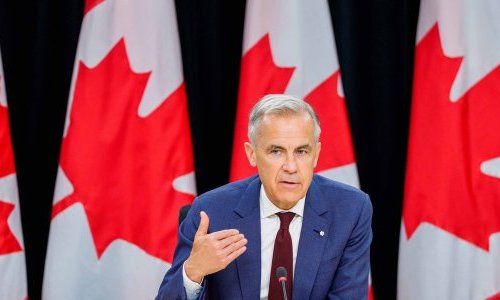

"At some luxury houses, the arrival of new designers is breathing new life into certain segments," said Guillaume des Rotours, Global Head of Luxury at KPMG, during a press briefing.
As the reshuffle of creative directors continues across the industry — with Matthieu Blazy taking the helm at Chanel and Jonathan Anderson at Dior Homme (LVMH), among the most high-profile appointments — des Rotours said he expects the sector to regain momentum by the end of 2026.
A new geographic landscape
After several years of rapid growth, the luxury sector has endured two years of slowdown, driven primarily by weaker demand in China and steep price increases across the industry. Those hikes have made luxury products less accessible to so-called aspirational consumers — those who spend less than EUR 2,000 a year on luxury goods — according to KPMG.
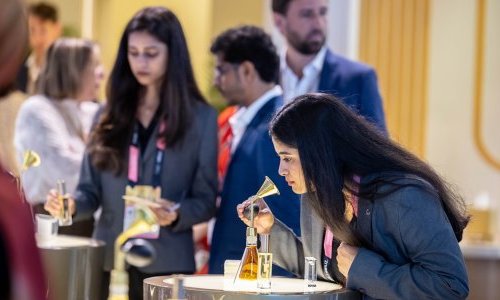
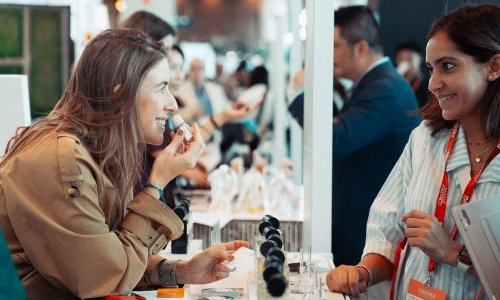
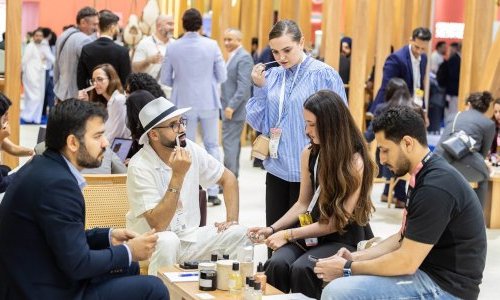
To re-engage these customers and attract new ones — particularly younger consumers — some brands are expanding into more accessible price points. Fragrances, cosmetics, and wellness goods and services are emerging as the leading categories in this push toward accessible luxury.
The recovery, however, is unlikely to resemble the previous growth cycle. According to KPMG, companies are adapting to a fundamentally different landscape, particularly on the geographic front. "Historic brands can no longer rely solely on the Chinese market and the strength of the traditional European luxury model to sustain their expansion," the firm notes. The report is based on interviews with 200 international decision-makers from companies across the luxury sector.
Consumers, described as "more informed and more selective," now expect luxury brands to tailor their offerings to evolving preferences and local market dynamics. KPMG points to the growing influence of regional players capable of scaling internationally, citing Chinese jeweler Laopu Gold as one example.
The firm also notes that some luxury groups are responding by investing in local brands through minority or larger equity stakes, highlighting LVMH’s investments in Asia through the L Catterton fund.
"Health is the new wealth"
Against this backdrop, the luxury sector is returning to its core strengths: craftsmanship and production expertise. "Products are now judged on their own merits — their intrinsic quality, craftsmanship, and origin—rather than solely on what they represent."
KPMG also identifies wellness and longevity as promising long-term growth drivers, particularly through the rise of wellness tourism.
Beyond spas, which have become standard in luxury hospitality, clients today are looking for longer, personalized retreats, targeted treatments for conditions like insomnia, preventive care and longevity programs. "Health is the new wealth," the firm concludes.